
Grow Your Orthopedic Business with AMSEO
Explore six categories of orthopedic systems, identify the right products for your customers, and request catalogs and technical information to discuss distribution opportunities with AMSEO.
Orthopedic Products
Start with the category where you have strong experience and market presence, then expand your portfolio as market opportunities develop.
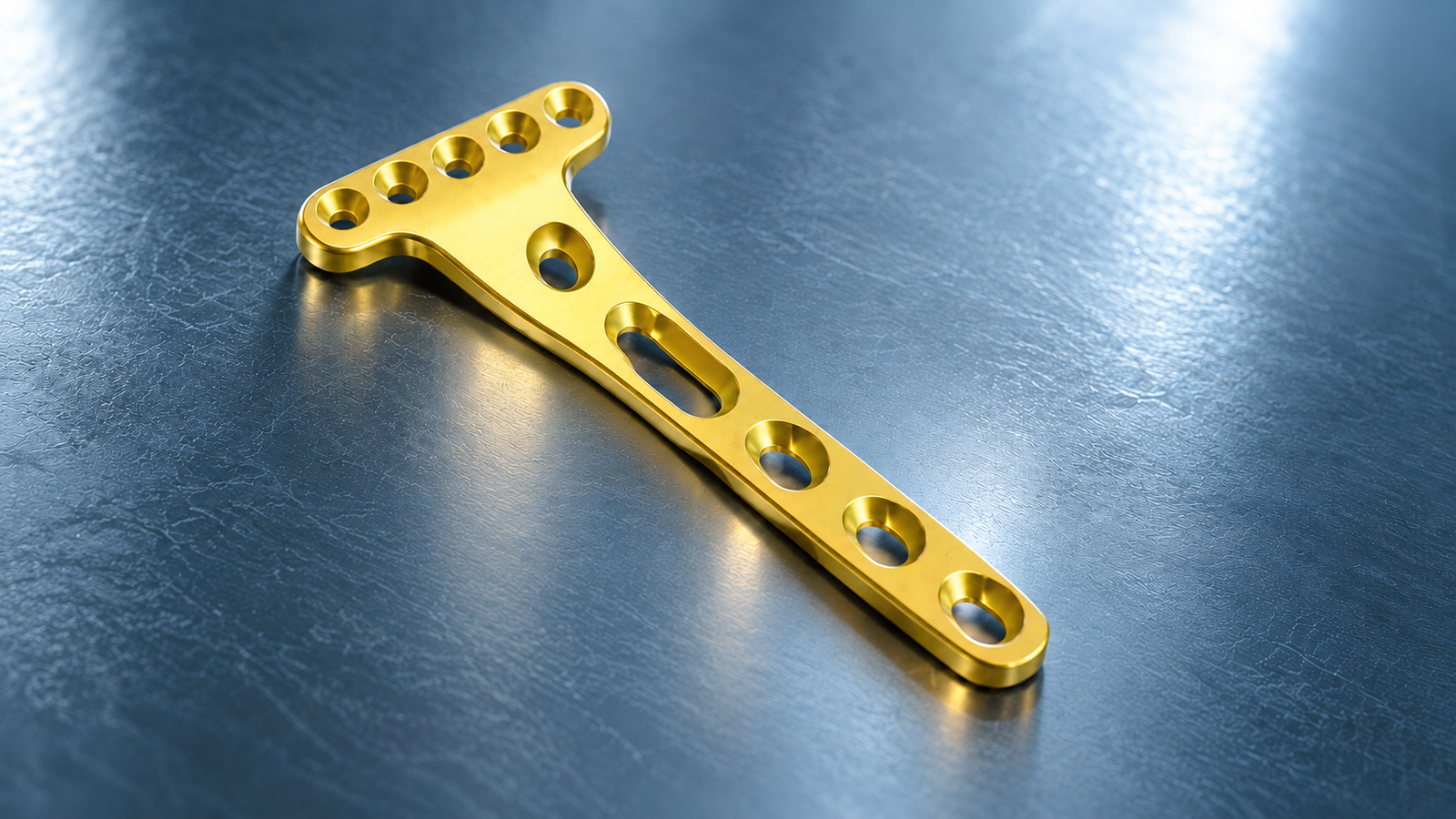
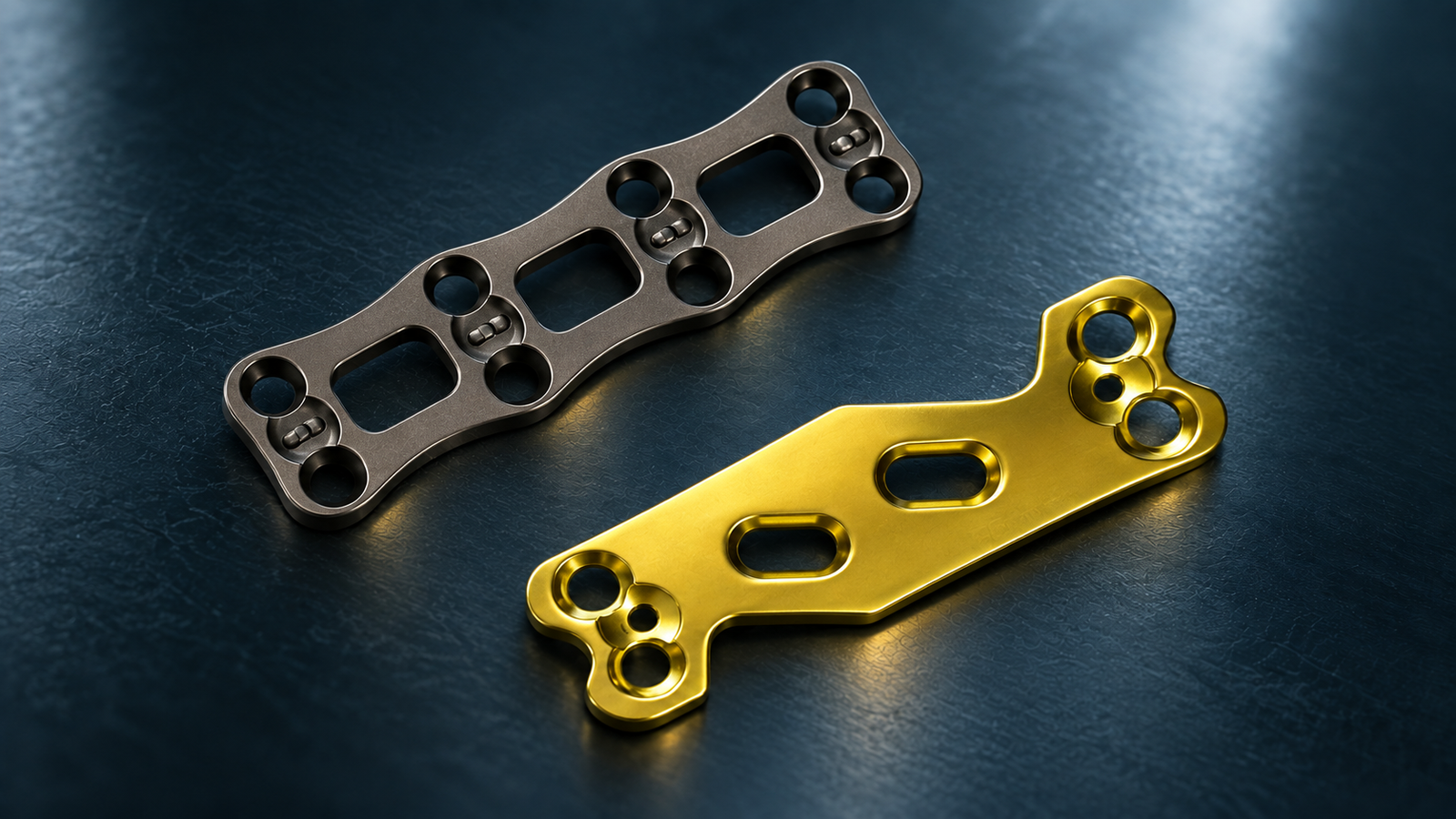
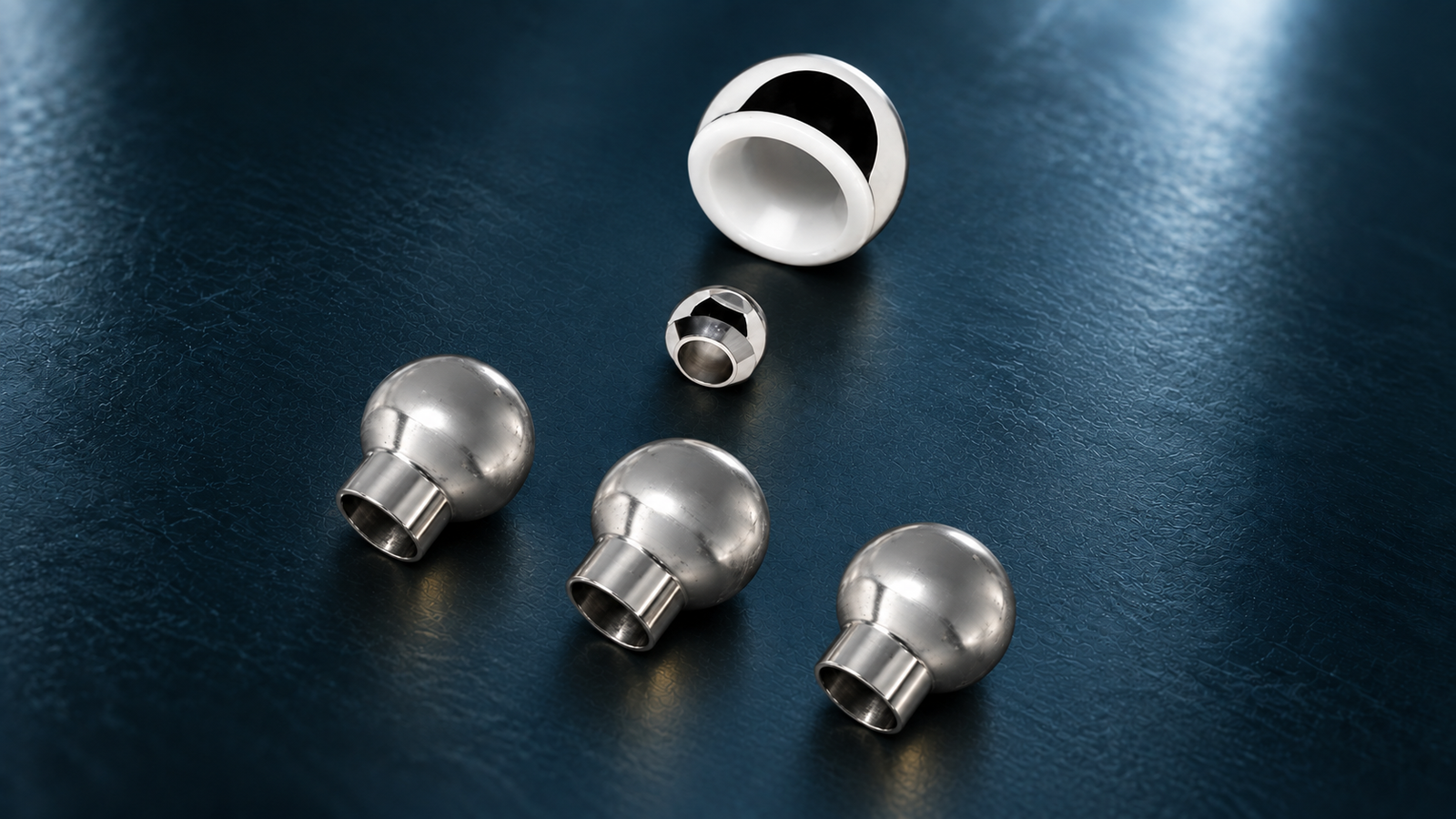
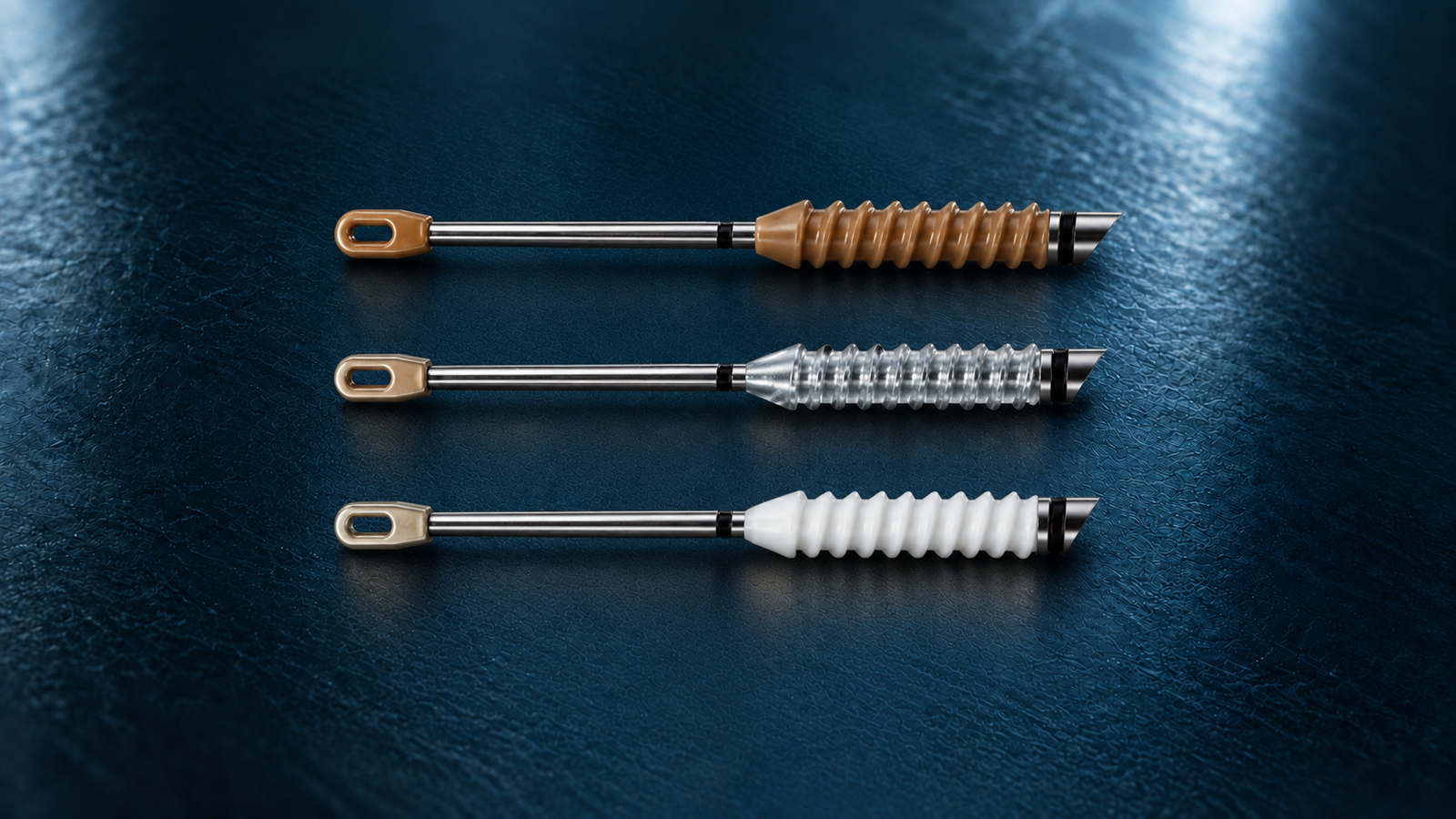
Benefits of Partnering with AMSEO
Start with the categories that suit your customers, and evaluate products and documentation with a specialist orthopedic systems manufacturer.
Six Product Categories from One Manufacturing Partner
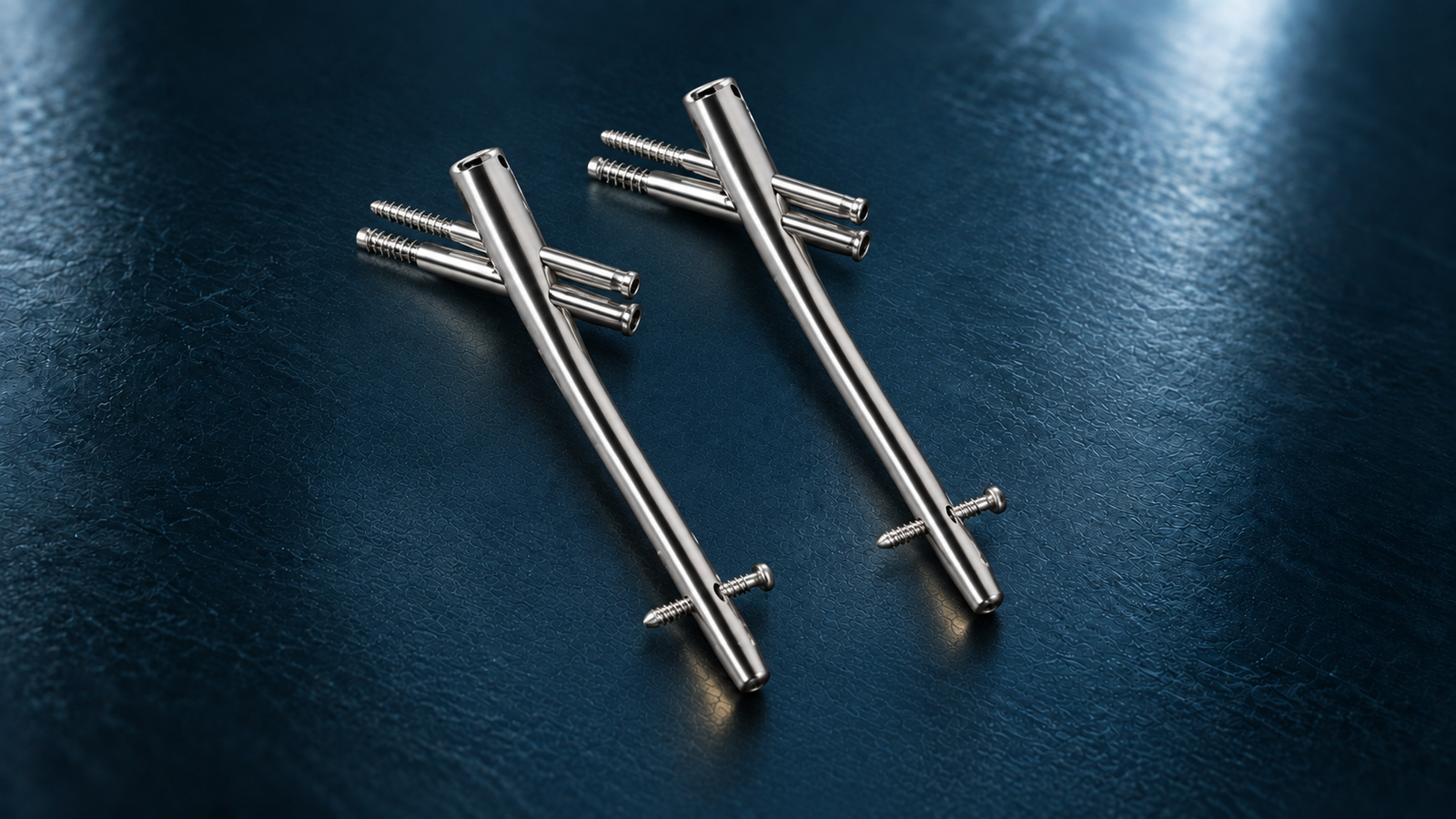
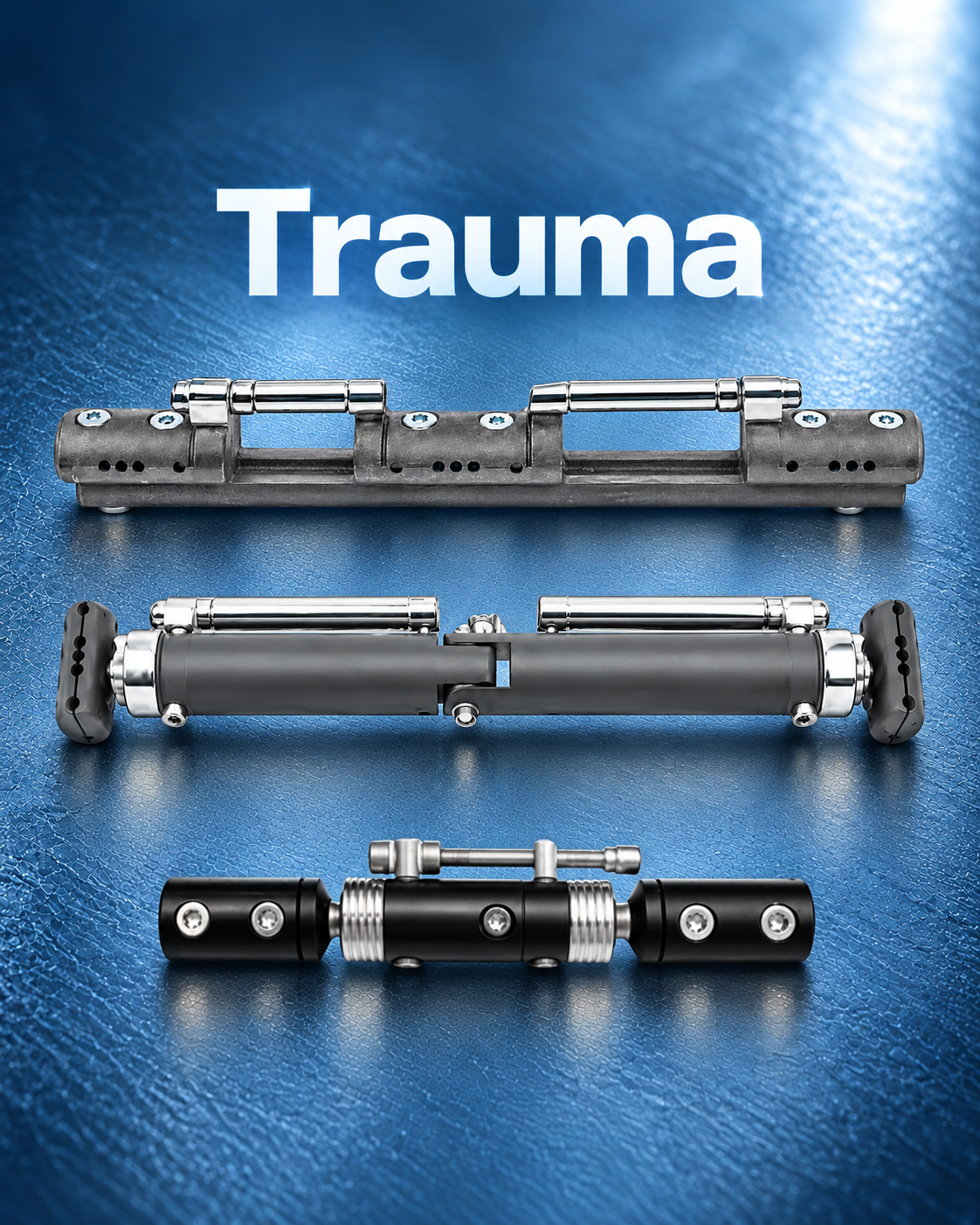
Explore fracture fixation, spine, joint replacement, sports medicine, intramedullary nails, and external fixation to expand your portfolio according to your customers' needs.
Options and Sizes to Suit Your Customers' Needs
Review product options, sizes, and materials in the catalogs, and identify the items that match your company's specialization.
Technical Details to Help You Choose the Right Products
Request the catalogs, certificates, and available technical and regulatory documents for your selected categories and target market.
Discuss Your Opportunity Directly with the International Business Team
Share your company's requirements directly, and discuss products, quantities, your market, and supply requirements with the team.
Business Communication to Support Your Expansion
Discuss your company's product requirements, technical information, available approved documents, and supply requirements for your market with the AMSEO team. Start with the categories that suit your customers and explore opportunities to grow your business through long-term cooperation, with terms defined according to both parties' needs.
Who Is This Partnership Opportunity For?
We welcome inquiries from companies involved in medical device distribution and supply, including:
- Distributors of orthopedic products and medical implants.
- Medical device distributors seeking to expand their business.
- Medical device importers.
- Hospital and healthcare suppliers.
- Medical procurement companies and organizations.
Each opportunity is assessed based on the company's experience, market coverage, requested categories, and potential for cooperation.
Discuss a Partnership Opportunity for Your CompanyMarkets Previously Supplied
Previous supply markets include Egypt, Saudi Arabia, Jordan, Iraq, South Africa, Kenya, and Tanzania.
Start by applying and specifying your country and the categories you would like to distribute. Our team will contact you to discuss the cooperation opportunity.
Join Our DistributorsGet to Know and Confidently Evaluate Your Manufacturing Partner
A partnership begins with understanding how products are manufactured and prepared. AMSEO brings together product development, manufacturing, inspection, identification, and preparation for supply.
ISO 13485:2016 Certification
Egyptian Drug Authority Registration
Factory Operating License
The scope of documentation and registration requirements are reviewed for each product and target market.
Steps to Partnership
Start with the essential information, then discuss products and commercial and regulatory requirements before deciding to cooperate.
Company Introduction and Factory Visit
Provide your company's details, experience, requested categories, and target customers. A factory visit can be arranged by appointment with the team.
Assessing the Partnership Opportunity
The team reviews your company profile, market needs, and requested categories, then contacts you to arrange an online meeting and identify the information needed to complete the assessment.
Defining Products and Documentation
Discuss the required specifications and configurations, available documents, and country-specific registration or import requirements.
Discussing Commercial Terms
Review quantities, pricing, payment, order preparation, shipping, and any requests for exclusivity or samples through a clear quotation or agreement before approving the order.
Finalizing the Agreement and Supply Plan
Once requirements are agreed, both parties' responsibilities, ordering and supply steps, and any necessary regulatory requirements are defined.
Frequently Asked Questions
1. What is AMSEO, and which products can I distribute?
AMSEO Industries is an Egyptian manufacturer specializing in orthopedic systems and implants, offering the six categories shown in the product section. Review the category catalog, then confirm the codes, sizes, materials, and associated instruments for the products you need before requesting a commercial quotation.
2. Can my company become a distributor in Egypt or abroad, and do we have to start with all products?
Medical device distribution and supply companies in Egypt and abroad may apply, including small or newly established companies with a clear plan. You can start with a single category. Cooperation is assessed based on the company's experience and capabilities, the target market, and existing distribution arrangements.
3. What value can AMSEO add to my company, and what support is available to distributors?
You can work directly with the manufacturer and discuss catalogs, technical information, and available approved documentation. Specify your needs for training, technical support, marketing materials, or tender documents so the team can review what can be provided, in which language, and at what cost. Rights to use the company name, logo, and commercial designation are defined in the agreement.
4. How can I review product quality, certifications, and technical suitability before purchasing?
Start by reviewing product catalogs, specifications, materials, and codes, then request the relevant approved documents. The website displays ISO 13485:2016 certification, documents relating to the Egyptian Drug Authority, and the factory operating license. Current copies should be reviewed to confirm their scope, dates, and covered activities.
For each item, request confirmation of sterilization status, shelf life, storage conditions, and labeling, batch, and traceability details. The website mentions dedicated catalog codes and GTINs for several product families, while the available identification details should be reviewed for each product.
If you intend to use a product with instruments or components from other sources, review the approved compatibility information. Similar appearance or size alone does not establish compatibility. You may also discuss evaluation samples or request a factory visit, with arrangements confirmed in advance.
5. Are the products registered in my market, and who handles registration and import procedures?
Quality management system certification does not automatically mean that all products are registered or authorized for sale in every country. Review the regulatory status of the requested products and the target market's requirements before planning imports or sales.
Send the list of documents required by your local authority so the available approved technical and regulatory files, and any outstanding requirements, can be identified. Documents may be requested during the partnership assessment, subject to information-sharing arrangements and the intended use.
Before registration begins, agree on who will submit the dossier, who is responsible for fees, translation, and legalization, who holds the registration, and how it will be managed if the partnership ends. For tenders, the purchasing entity's requirements, document validity, and any required authorization should be reviewed separately.
6. How are pricing, profitability, minimum order quantities, and payment terms determined?
To obtain a suitable quotation, send the categories or product codes, sizes, expected quantities, and destination country or region. Pricing and any discounts are discussed according to the products, quantities, and scope of cooperation. You can request comparisons across different quantity levels.
The quotation should specify the currency, validity period, what the price includes, the minimum total order and minimum quantity per item or size, and pack configurations. Payment installments, due dates, payment methods, and fees are also defined. Any request for credit or deferred payment is subject to assessment and agreement.
Profitability depends on more than the purchase price; it also includes shipping, registration, importing, storage, selling, and payment collection. A fixed profit margin therefore cannot be guaranteed without reviewing your company's costs and market pricing.
7. Can I start with samples or a trial order, and how can I ensure product availability and continued supply?
You may request samples or propose a limited initial order, specifying the items, quantities, and evaluation purpose. Availability, cost, required instruments, documentation, and shipping are discussed. Confirm the sample's permitted use before using it; a sample alone does not constitute product authorization in the market.
After selecting the items, request a statement identifying what is in stock and what requires preparation or manufacturing. Order preparation time and shipping time are defined separately, including when each period begins and whether phased deliveries are possible if agreed.
For repeat orders, share consumption forecasts, the most requested sizes, and purchasing intervals to discuss an appropriate stock and supply plan. Any specific commitment on availability or delivery dates should be documented in the quotation or agreement.
8. Can I obtain exclusivity, and what are the distribution and shipping responsibilities?
Exclusivity may be requested for a specific country, region, or category. It is assessed according to existing agreements, your company's market coverage capabilities, and its sales plan. The company's activity in a country does not necessarily mean that all categories or regions are closed to new partners.
If exclusivity or purchasing and sales targets are agreed, clearly define the scope, duration, targets, and review, renewal, and termination mechanisms. Responsibilities for registration, marketing, and use of the trademark should also be specified.
For supply, the quotation defines responsibility for transportation, insurance, customs clearance, fees, documents, and the point at which responsibility transfers. Review the requirements for importing and marketing the product at its destination, alongside the feasibility of shipping it there.
9. What happens if there is a shortage or a product issue, and are returns or replacements available?
Agree in advance on how to report shortages, nonconformities, or technical complaints, including the reporting period, required information, and review process. Keep product codes, batch numbers, packaging photos, and receipt documents to help assess the case. Replacement, compensation, or reshipment is determined by the agreed terms and the review outcome.
Unsold products or slow-moving sizes should not be assumed to qualify automatically for return. Request clarification of any available return or exchange policy, including packaging condition, shelf life, storage, time limits, and costs.
The contract should also explain how stock, pending orders, outstanding payments, registrations, and trademark-use rights are handled if the partnership ends, along with responsibilities for complaint follow-up and any product safety actions.
10. How do I submit a distribution application, and what happens afterward?
Send your company name, contact details, country or region, business type, experience, and requested categories. You may add target customers, estimated quantities, documentation and support needs, and any request for exclusivity or samples.
The assessment on this page is optional, and you can contact us directly. It helps clarify your priorities but does not constitute distribution approval.
After submission, the team reviews your information and may request further details. Products, documents, market requirements, pricing, supply, and both parties' responsibilities are then discussed. Partnership approval follows agreement on and documentation of the terms; submitting the form alone does not grant distribution approval.
Assess Your Partnership Opportunity
An optional five-question assessment helps you identify product categories and partnership priorities. You can contact us directly without completing it.
Open the Optional Assessment — Five Questions to Identify Your Priorities
Submitting an application is the first step in the review process and does not grant distribution approval. An agreement is finalized after assessing the company, market, and requirements.